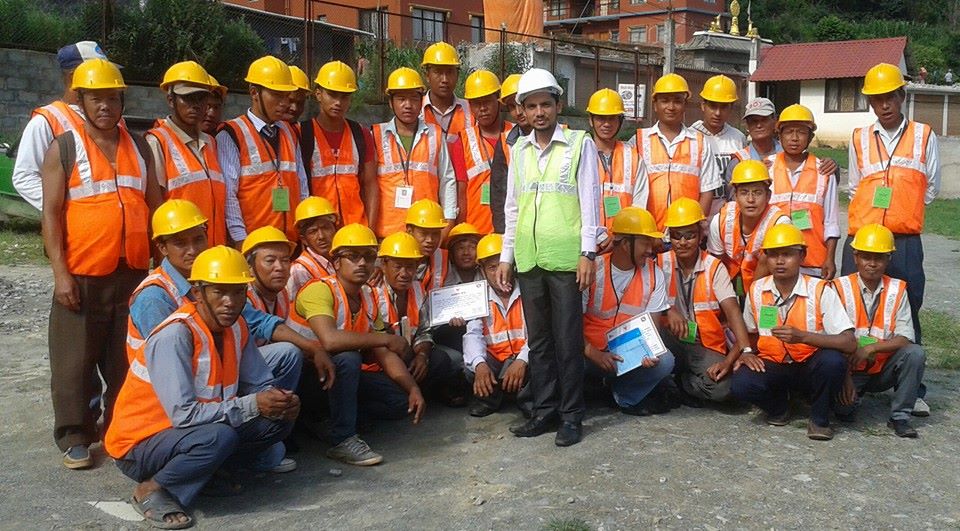

Official launch of Vastu book by Honorable Minister
The book ‘Vastu Principles Based on Geography and Geology of Himawatkhanda Vastu’, authored by Laxmi Prasad Soti, Head of the Vastu Department, was officially launched at the National Conference on Astrology, Vastu, and Spirituality of the Nepal Jyotish Council by Hon. Rekha Sharma, Minister for Communications and Information Technology and Government Spokesperson, Jyotish Madhav Raj Pande, Central President of the Nepal Jyotish Council and Founder President Dr. Lokraj Paudel.
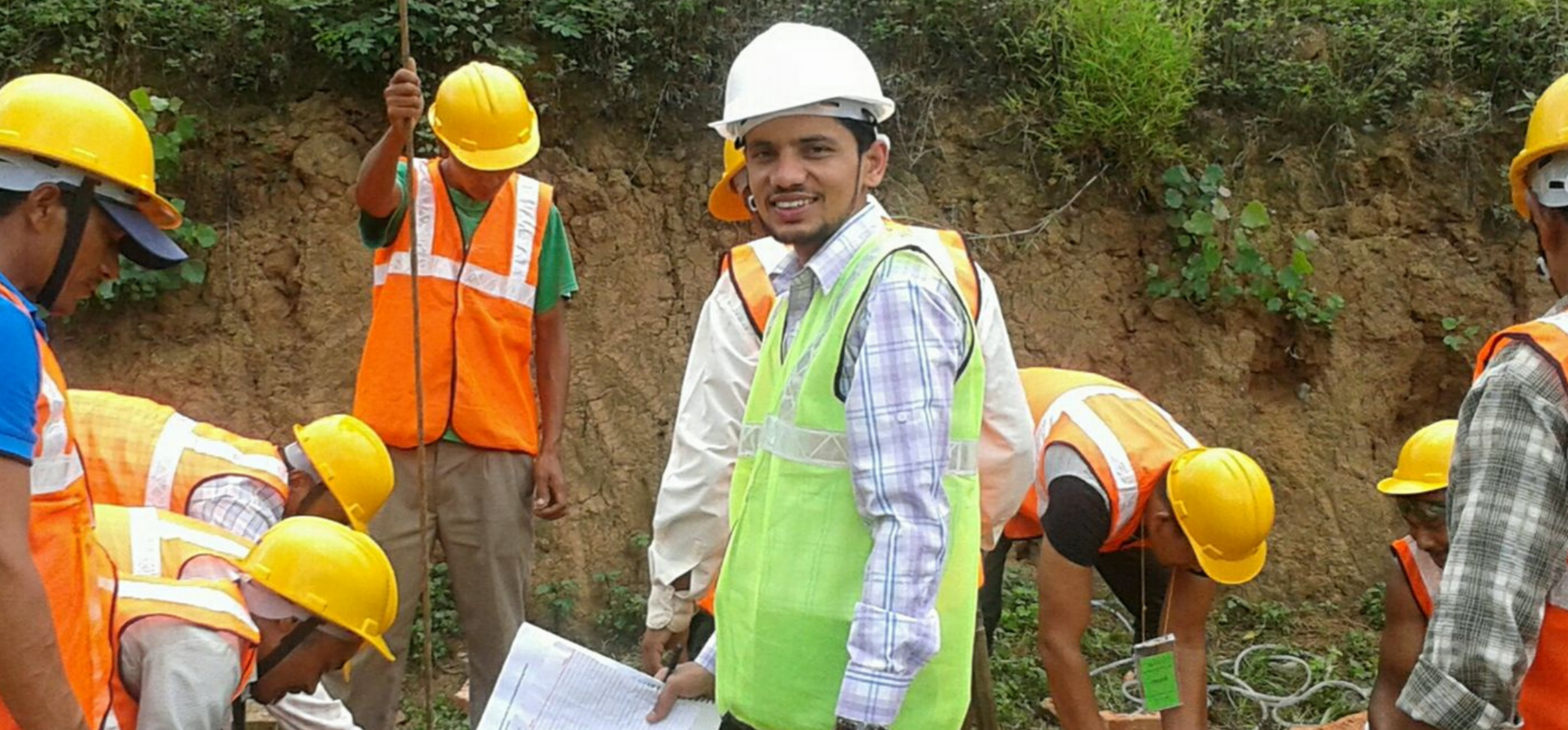
Earthquake-resistant construction training
Laxmi Prasad Soti serving as a trainer in earthquake-resistant construction training for contractors, organized by Bhaktapur and Lalitpur municipalities after the 2015 earthquake.
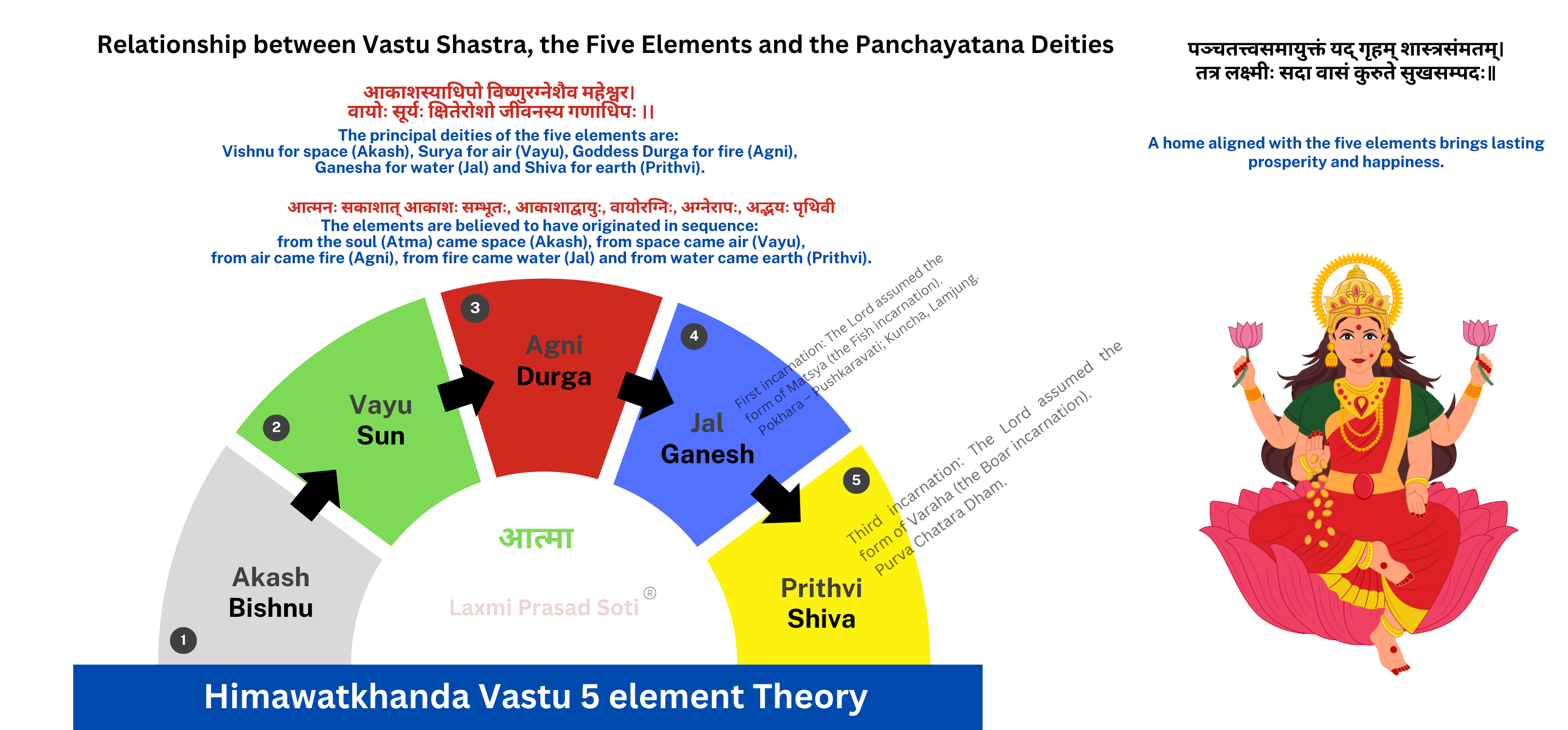
Himawatkhanda vastu 5 element theory
A home aligned with the five elements brings lasting prosperity and happiness.
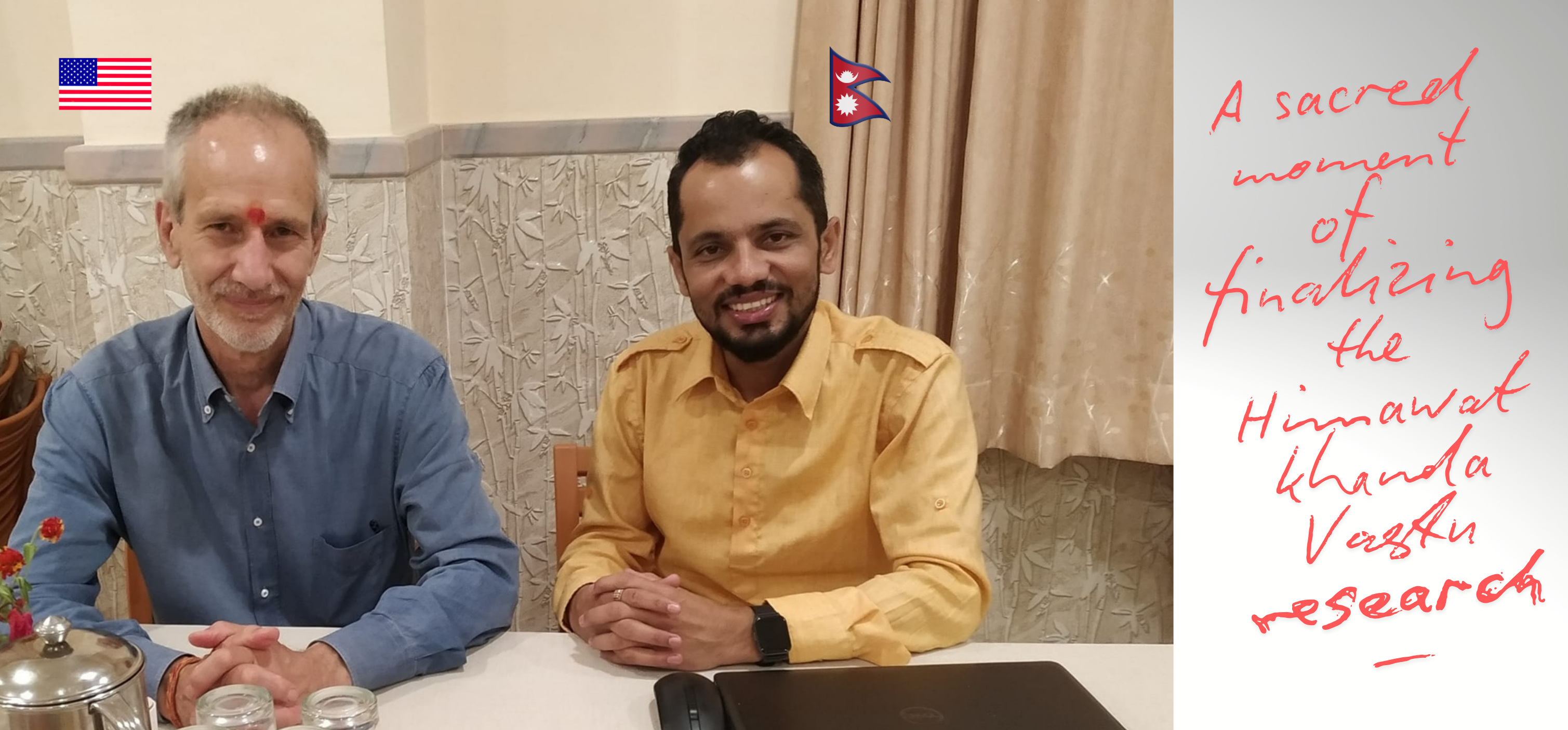
sacred milestone in Himawatkhanda Vastu research
A sacred moment of finalizing the Himawatkhanda Vastu research— Jon Lipman (Vastu depart Head & Director, Maharishi International University, USA) and Laxmi Prasad Soti Vastu Department Head, Astro Council Nepal
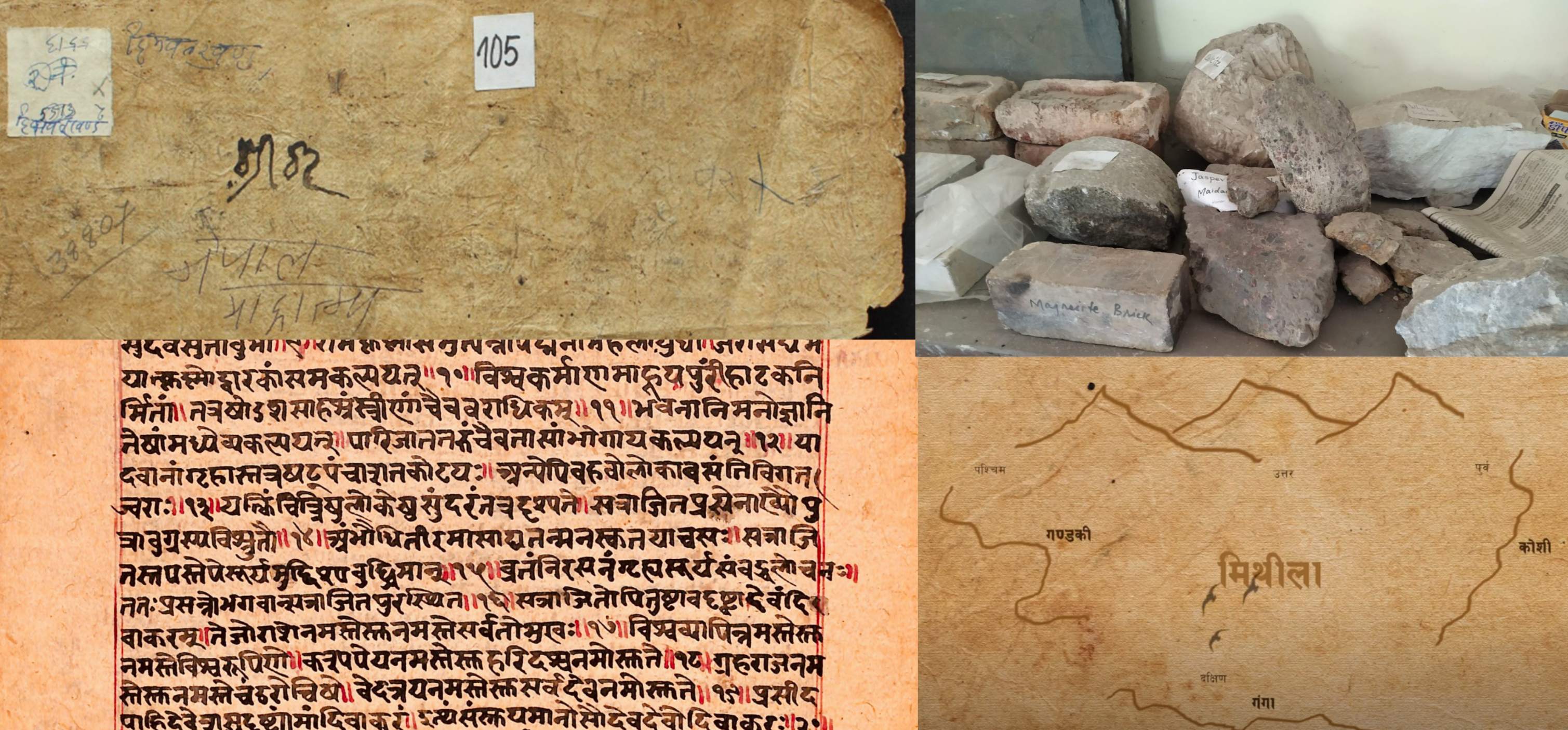
Ancient Himawat Culture Connected with Vastu

Lakshmi enters only after Alakshmi is removed.
O Goddess Lakshmi! I, weakened by hunger and thirst, seek the removal of misfortune, poverty, and unrest. Please eliminate all scarcity and suffering from my home, and bless us with prosperity, peace, and well-being.

Vastu Shastra & Engineering Consultants in Kathmandu, Nepal
Himawatkhanda Vastu Pvt. Ltd. provides certified Vastu Shastra consultation, Vedic architectural design, structural engineering, and earthquake-resistant construction services throughout Nepal — rooted in ancient Himawat tradition, applied with modern precision.
What Our Clients Say
Trusted by organizations and professionals worldwide
Frequently Asked Questions
Find answers to commonly asked questions about our services
Vastu Shastra
Yes, considering purity (shuddhi) while placing the main entrance door is important according to Vastu principles. The main entrance is the primary source of energy flow into the house, and maintaining its purity helps attract positive energy. Paying attention to such details can enhance harmony and create a more balanced living environment.
Land conditions, soil composition, and the presence of minerals play a significant role in Vastu Shastra and house construction, especially in regions like the Himalayas. Vastu is essentially a science of land that studies elements such as soil, water, air, and structural balance. The Himalayan region is often considered a natural geological laboratory, rich in diverse minerals and varying environmental conditions. This means that the land beneath a house can differ greatly even within short distances. Before construction, soil testing helps identify these characteristics. For instance, if a plot already contains a high concentration of a particular mineral like copper, adding similar elements as Vastu remedies may create imbalance rather than harmony. Therefore, understanding the natural properties of the land is essential for making effective design decisions and applying Vastu principles correctly.
Direction plays a vital role in Vastu, as each direction is associated with specific elements and types of energy that influence different aspects of life. For instance, the east is linked with sunlight and growth, while the north is associated with prosperity and opportunities. The south and west directions require careful planning to maintain balance and stability. Among all, the main entrance holds special importance, as it acts as the primary gateway through which energy enters the home, directly impacting the overall harmony and well-being of its occupants
According to Vastu Shastra, using a common wall between two houses is generally discouraged. Even if two houses are built side by side with similar designs, each structure should have its own independent walls. Sharing a wall is believed to create imbalances and may lead to issues for the main occupants over time. Therefore, Vastu guidelines recommend constructing separate wall structures for each house to maintain harmony, independence, and positive energy flow.
Engineering Design
Hiring a qualified engineer ensures proper design, safety, and compliance with building codes. In Nepal, unauthorized construction without engineering design is risky and often leads to structural problems. An engineer helps in planning, supervision, and quality control.
Both retrofitting and demolishing with rebuilding are valid options, depending on the condition of the structure. Not all buildings are suitable for retrofitting, as the decision depends on a proper technical assessment. If experts determine that the existing structure can be safely strengthened and reused, retrofitting is a practical and efficient choice. However, if the building is too weak or damaged, rebuilding may be necessary. Therefore, the final decision should always be based on a thorough technical evaluation.
Retrofitting is particularly important in regions like the Himalayan belt. Nepal is known as a
country of temples and has many ancient structures, including monasteries, temples, and
traditional houses. To preserve these cultural and historical buildings and prevent them from
collapsing, retrofitting is a very effective solution. Therefore, it holds great importance for our
country. The trend of retrofitting is increasing in Nepal, especially after the earthquake. There is
now more awareness and use of technical approaches. Retrofitting is commonly applied in
schools and hospitals to make them safer and reusable.
FAR, or Floor Area Ratio, is a key concept in building design and urban planning that determines how much construction is allowed on a given plot of land. It is calculated by dividing the total floor area of all levels of a building by the total plot area. Municipal authorities set specific limits for FAR and ground coverage, which regulate how much can be built legally. Understanding FAR is essential when planning a house, as it directly influences the building size, design possibilities, and compliance with local regulations.
The depth of a house foundation is not fixed; it depends on soil type, building load, number of floors, and earthquake risk in the area. Generally, a small single-story house may require a foundation depth of about 3 to 5 feet (0.9–1.5 meters), while two or more floors may need around 5 to 8 feet or more depending on soil strength. In all cases, the foundation must reach stable soil, and in earthquake-prone or weak soil conditions, deeper and stronger foundations are required. Proper soil testing and structural engineering design are essential before construction.
Gallery & Videos
Explore our latest work and video content